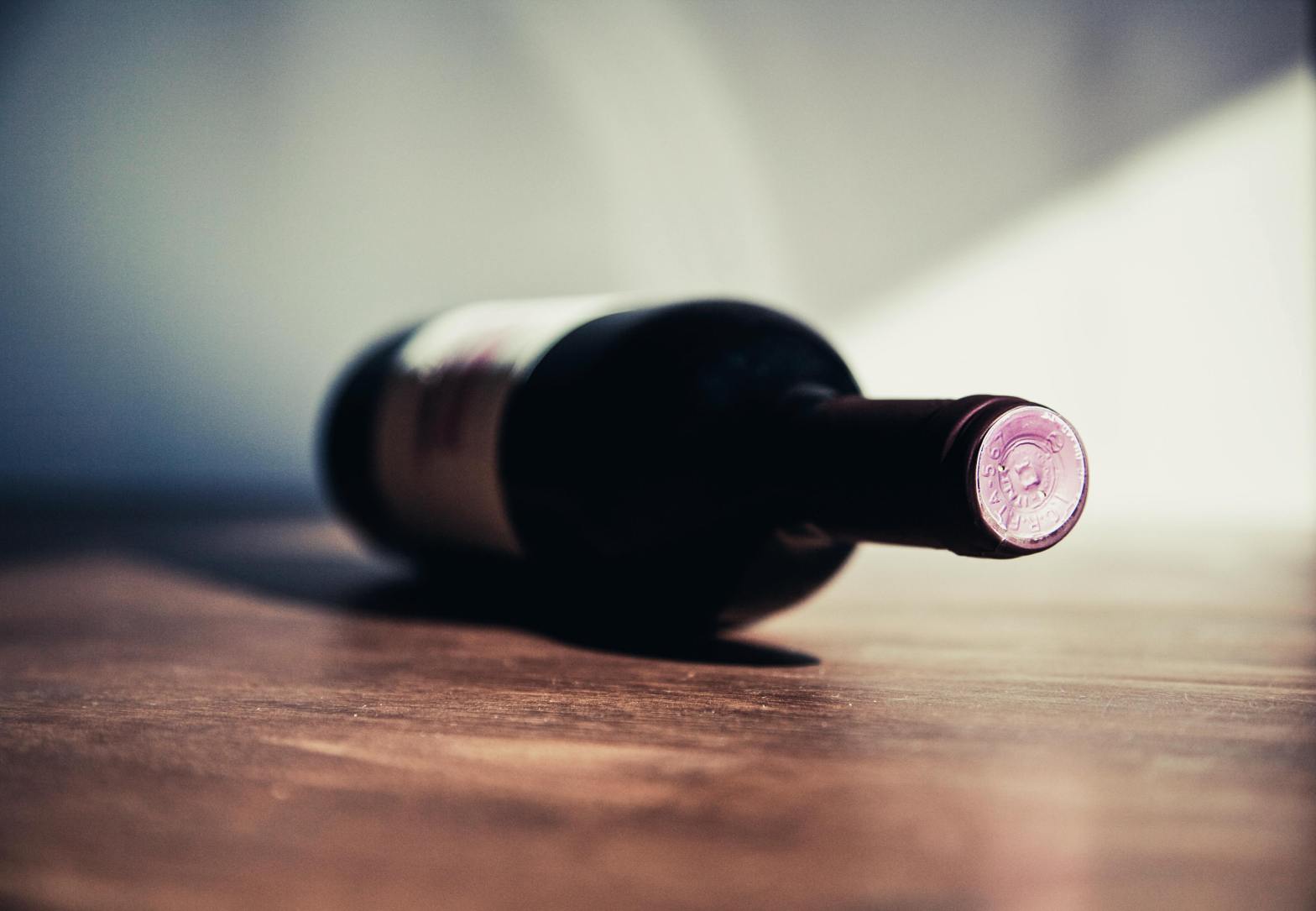
In recent years, a troubling trend has emerged: a growing number of young women in high-powered, successful careers are quietly battling alcohol and drug dependency.
These women are often seen as the epitome of achievement—polished, ambitious, and thriving in their professional lives. Yet, behind closed doors, many are struggling with substance abuse, using alcohol or drugs as a coping mechanism for the immense pressure they face.
What’s even more alarming is how well they hide it, making it difficult for society to recognise and address the issue.
This phenomenon raises important questions: Why is this happening? How can we, as a society, help these women break free from dependency and embrace healthier ways of living?
The Pressure to “Have It All”
One of the key drivers of this trend is the immense pressure young women face to “have it all.”
Society often expects women to excel in their careers, maintain a perfect appearance, nurture relationships, and balance personal and professional lives seamlessly. For many, this pressure is overwhelming. Alcohol and drugs become a way to numb the stress, anxiety, and exhaustion that come with trying to meet these unrealistic expectations.
The rise of social media has only exacerbated the problem. Platforms like Instagram and LinkedIn create a culture of comparison, where women feel compelled to project an image of perfection.
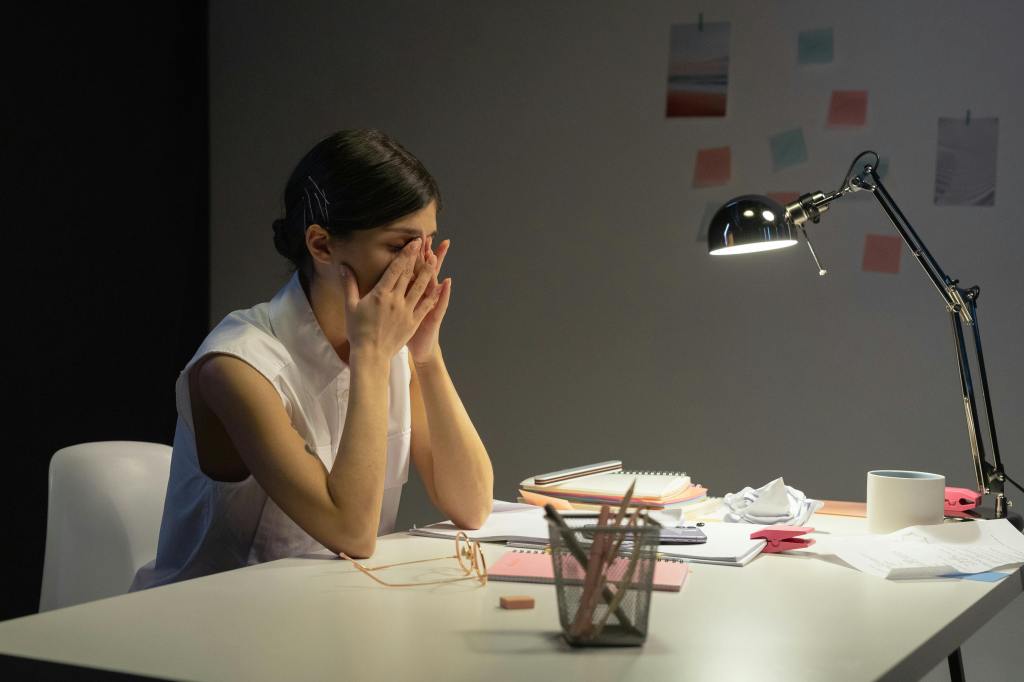
Behind the curated posts and polished profiles, many are silently struggling with feelings of inadequacy, imposter syndrome, and burnout.
The Hidden Nature of the Problem
One of the most concerning aspects of this issue is how well these women hide their dependency.
High-functioning individuals often maintain their professional responsibilities while secretly battling addiction. They may appear to be thriving at work, but their personal lives are crumbling.
This ability to conceal their struggles makes it harder for friends, family, and colleagues to recognize the problem and offer support.
Additionally, societal stigma around addiction—particularly for women—often prevents them from seeking help. Women are more likely to face judgment and shame for substance abuse, which can lead to further isolation and secrecy.
Why Is This More Common Now?
Several factors contribute to the rise of alcohol and drug dependency among young women in successful careers:
- Increased Workloads and Burnout: The modern workplace is more demanding than ever, with long hours, constant connectivity, and high expectations. Women in competitive fields often feel they must work twice as hard to prove themselves, leading to chronic stress and burnout.
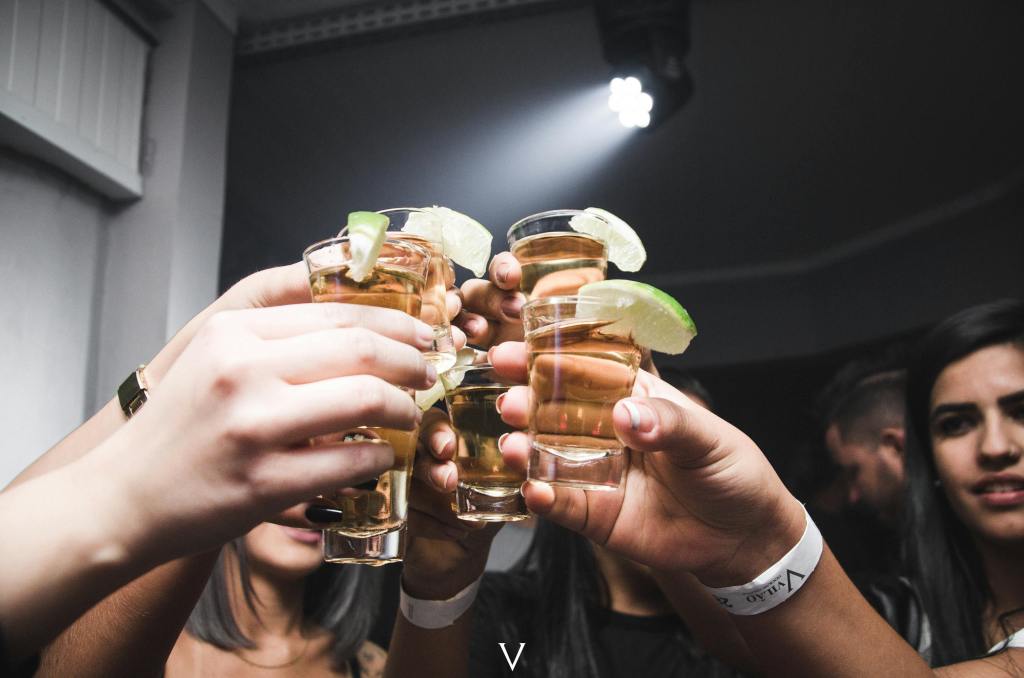
- Cultural Normalisation of Substance Use: Alcohol, in particular, is often glamorised as a way to unwind or celebrate success. Wine culture, for example, has become deeply ingrained in many women’s lives, with phrases like “mommy juice” and “wine o’clock” normalising excessive drinking.
- Lack of Healthy Coping Mechanisms: Many women were never taught healthy ways to manage stress or emotional pain. Without these tools, they turn to substances as a quick fix.
- Isolation and Loneliness: Despite their professional success, many women feel isolated in their personal lives. The pressure to maintain a facade of perfection can make it difficult to form genuine connections, leaving them feeling alone and unsupported.
What Can We Do to Help?
Addressing this issue requires a collective effort from society, workplaces, and individuals. Here are some steps we can take to support these women and encourage healthier lifestyles:
- Break the Stigma: We need to create a culture where women feel safe to talk about their struggles without fear of judgment. Open conversations about mental health and addiction can help reduce shame and encourage more women to seek help.
- Promote Work-Life Balance: Employers must prioritize the well-being of their employees by promoting work-life balance, offering mental health resources, and encouraging time off. Flexible work arrangements and access to counseling services can make a significant difference.
- Encourage Healthy Coping Mechanisms: Society needs to shift its focus from glorifying alcohol and drugs to promoting healthier ways to manage stress. Activities like exercise, mindfulness, creative hobbies, and spending time in nature can provide meaningful outlets for stress relief.
- Build Strong Support Networks: Women need safe spaces where they can connect with others who understand their struggles. Support groups, mentorship programs, and community organizations can provide the emotional support many women are lacking.
- Educate and Raise Awareness: Schools, workplaces, and communities should provide education on the risks of substance abuse and the importance of mental health. Early intervention and prevention are key to addressing this issue before it escalates.

Replacing Dependency with Healthy Pastimes
To help women transition away from alcohol and drugs, we need to offer appealing alternatives that provide the same sense of relief and fulfillment. Here are some ideas:
- Fitness and Wellness: Encourage participation in yoga, Pilates, running clubs, or dance classes. Physical activity not only improves mental health but also fosters a sense of community.
- Creative Outlets: Art, writing, music, and other creative pursuits can be powerful tools for self-expression and stress relief.
- Mindfulness and Meditation: Practices like meditation, journaling, and gratitude exercises can help women manage stress and build resilience.
- Social Activities: Organize alcohol-free social events, such as book clubs, cooking classes, or hiking groups, to provide opportunities for connection without the pressure to drink.
A Call to Action
The rise of alcohol and drug dependency among young women in successful careers is a wake-up call for society. We must recognize the immense pressures these women face and take action to support them. By breaking the stigma, promoting healthier lifestyles, and fostering genuine connections, we can help these women reclaim their lives and thrive—not just professionally, but personally as well.
It’s time to shift the narrative from “having it all” to “having what truly matters.” Let’s create a world where women feel empowered to prioritize their well-being and seek help when they need it. Together, we can make a difference.
If you or someone you know is struggling with substance abuse, please reach out to a trusted friend, family member, or professional for support. You are not alone, and help is available.
 Empowering Women Through Wellness, Community, and Giving Back