
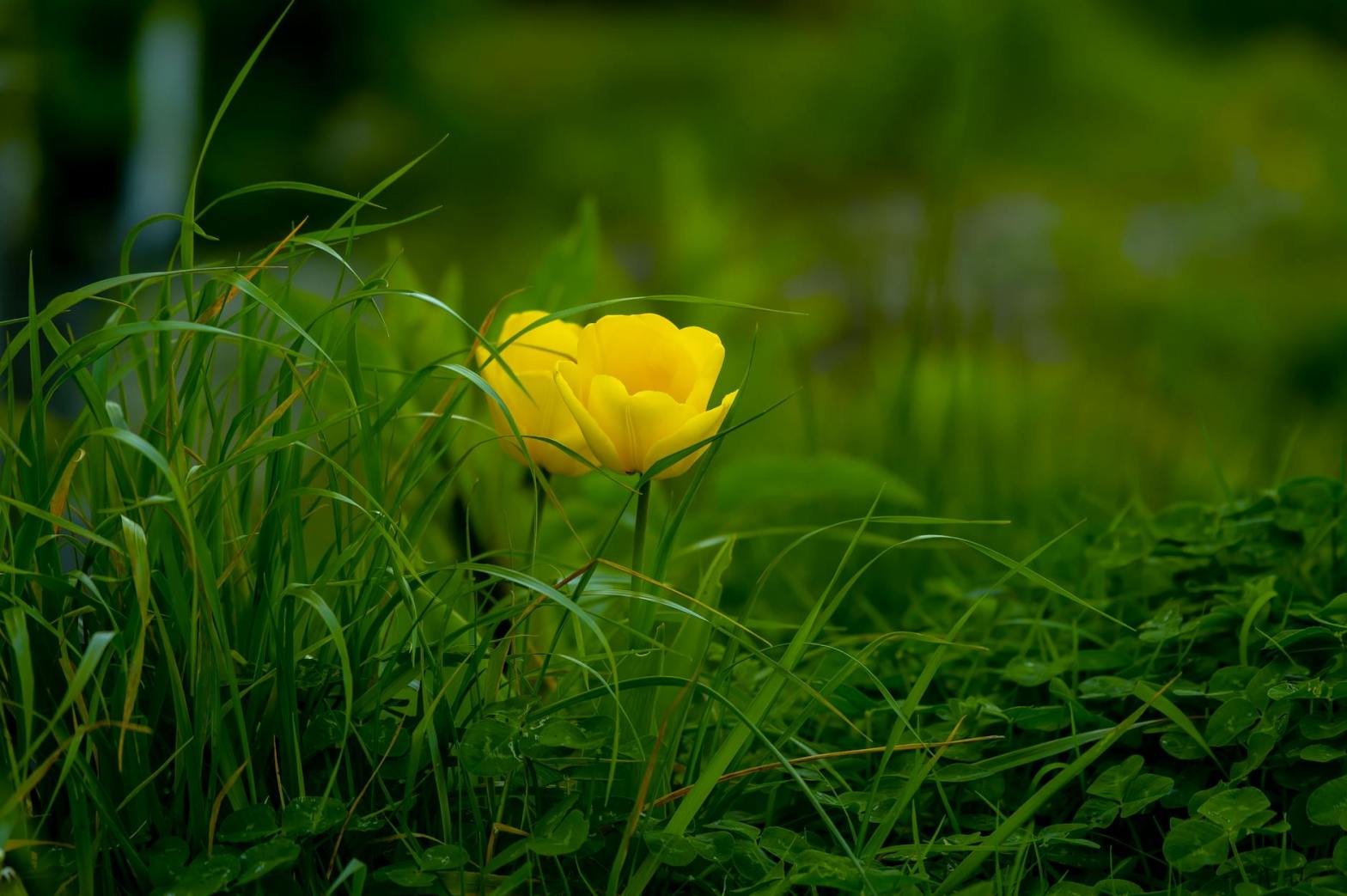
Once upon a time, crossing a meadow or hearing birdsong wasn’t a “moment”—it was just life. But over the last two centuries? We’ve quietly unlearned that. Our connection with nature has dropped over 60% since 1800, according to research from the University of Derby.
Why This Matters More Than Ever
1. Nature heals—from inside out
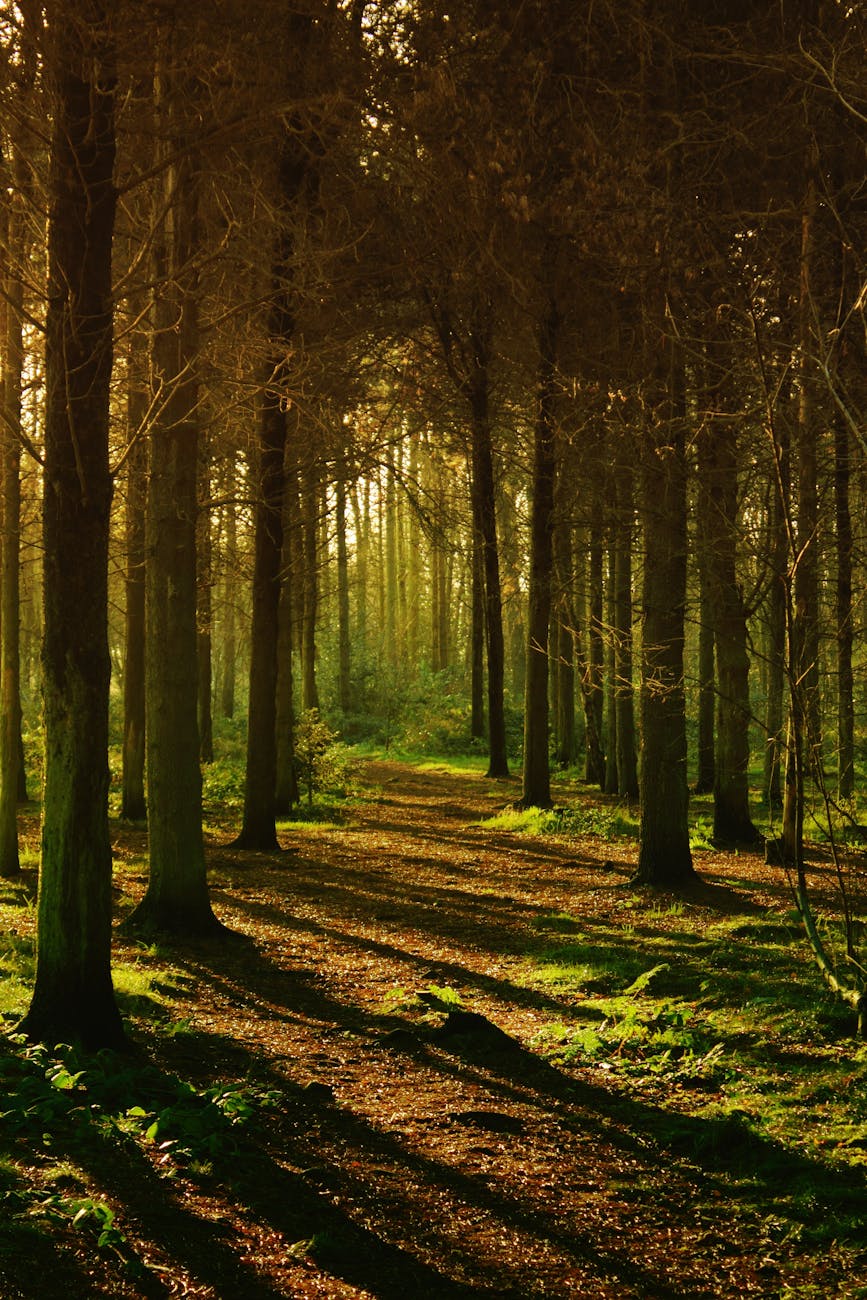
Even 10 minutes in nature (yes, just ten) can improve mood and thinking, lowering stress among people with diagnosed mental illness .
Activities like forest bathing (shinrin-yoku) calm the body: lowering blood pressure, boosting immune cells, reducing cortisol .
Time in green or blue spaces—parks, lakes, even street trees—significantly eases anxiety, sharpens focus, and enhances mood .
There’s even a biological link between enjoying nature and lower inflammation, which supports physical health broadly.
2. Medical prescriptions are growing roots
“Nature prescriptions”—doctors prescribing time in green spaces—are increasingly common and linked to lower blood pressure and reduced depression and anxiety .
3. Nature-based therapies deliver
Structured activities like group gardening, green exercise, or forest immersions over 8–12 weeks consistently reduce depression and anxiety and lift positive mood .
A dose of 120 minutes per week in quality natural spaces correlates with strong population-wide well-being .
4. Our brains literally crave it
The “Attention Restoration Theory” explains why nature restores concentration—our brains regain focus when immersed in scenes like rustling leaves or bubbling water .
Hospital patients viewing trees recover faster and use less pain medication—seeing green is literally therapeutic .
5. Blue spaces: the secret wellness ingredient
Being near water—rivers, seas, lakes—can reduce stress more than music, lower psychological distress, and even boost dopamine dramatically (up to 530%) .
What We Can Actually Do (Without Booking a Forest Retreat)
Notice the small wilds around you: Listen to birdsong on your walk, touch tree bark, or breathe in air by a window—even journaling a memory of nature counts .
Be consistent, not exhaustive: Thirty or forty minutes daily in green space—especially urban parks or even street trees—can noticeably improve your mood and focus .
Make it social (if that suits you): Group gardening, walks, or conservation activities multiply the reward—mood, belonging, healing .
Bring nature indoors: Houseplants, nature documentaries, or even digital window views can strengthen your emotional bond with the natural world .
Support a greener future: Advocate for biodiverse green spaces in your neighbourhood or schools—especially for children, since early exposure is key to lifelong connection and environmental care .
—
Anna’s Place Call to Action
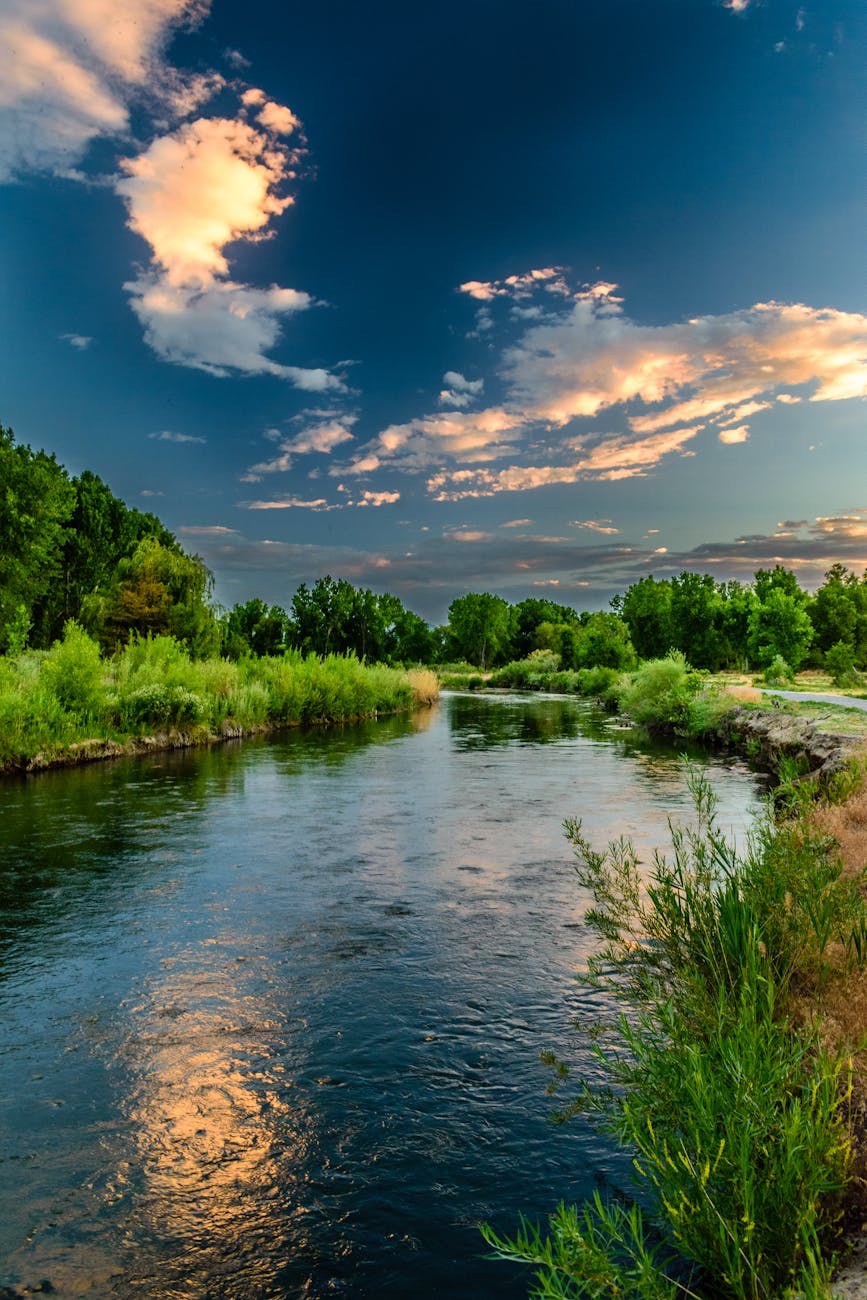
We’re not suggesting you become a forest-dwelling guru. But we’d like Anna’s Place to be your gentle prompt to return to the wild that didn’t run away—it just got quieter.
Start with five minutes. Then ten. Let your phone fall silent while you sit in a park. Notice how your breath shifts, how your mind softens, how your body sighs just a little easier.
Because reconnecting with nature isn’t just pretty—it’s vital. For our health. For our joy. And maybe, ultimately, for who we are meant to be.
 Empowering Women Through Wellness, Community, and Giving Back