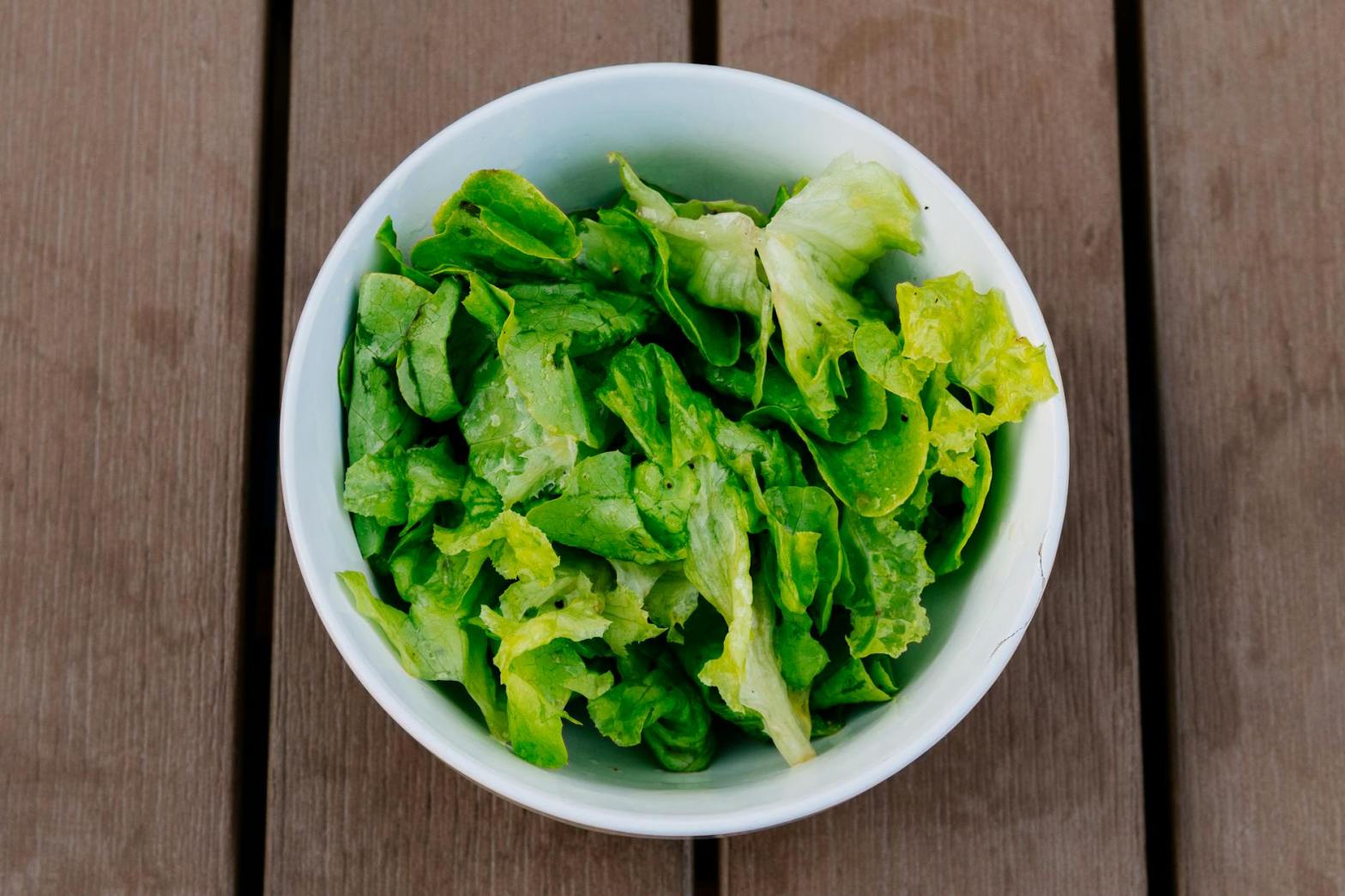
Ah, the phrase that refuses to die: “I’m being good.”
Usually whispered over a limp salad, muttered at a birthday party when someone dares offer you cake, or declared proudly while sipping sparkling water for dinner like it’s a Michelin-starred feast.
And I have to ask: if that is being “good,” then what on earth does it mean when you’re not? Are you “bad”? Wicked? Headed straight to nutritional hell for daring to eat bread on a Tuesday?
Let’s get real: “I’m being good” is a linguistic wolf in sheep’s clothing. It sounds harmless, but it carries a truckload of damaging baggage — especially for women.
Why “good” doesn’t belong on your plate
Here’s the problem. By attaching morality to food, movement, or even rest, we’re constantly grading ourselves on a scale we didn’t ask for. Eat vegetables? Good girl. Order chips? Naughty. Skip the gym? Lazy. Hit a spin class? Redeemed.
It’s nonsense — and worse, it’s nonsense we’ve normalised. The idea that our worth can be boiled down to what we do or don’t put in our mouths is not only exhausting, it’s harmful.
The invisible damage of “casual” language
We throw these phrases around like confetti:
- “I’m being good.”
- “I’ve been so bad this week.”
- “I need to earn my dinner.”
- “Guilt-free treat.”
But words shape the way we see ourselves. When every meal is framed as a moral exam, no wonder women grow up believing their value is conditional. We’ve turned eating — the most basic act of survival — into a performance review.
The bigger picture
And it doesn’t stop with food. Think about how often we slip into damaging scripts without noticing:
- “I’ll sleep when I’m dead.” (Translation: Rest is indulgent.)
- “Strong is the new skinny.” (Translation: You’re still defined by your body — just differently packaged.)
- “No pain, no gain.” (Translation: Ignore your body’s signals until it breaks.)
These little phrases are Trojan horses, sneaking toxic beliefs into our everyday language. They sound harmless, but they erode self-worth drip by drip.
Rewriting the script
What if instead of “I’m being good,” we got curious about how we actually feel?
- “I feel like something fresh today.”
- “I want comfort food tonight.”
- “I need rest.”
- “I’m moving because it makes me feel alive.”
That’s not “good” or “bad.” That’s human. And it leaves space for the fullness of life — the salads, the cake, the naps, the workouts, the quiet nights, the messy ones too.
Final thought
Language matters. Especially the quiet, everyday words that seem insignificant. Because if women keep saying “I’m being good,” the unspoken translation will always be: “And when I’m not, I’m bad.”
But you’re not. You’re a human being, not a report card. And it’s time we started speaking like it.
 Empowering Women Through Wellness, Community, and Giving Back