The wellness industry was once a sanctuary—a place to find genuine guidance on self-care, mindfulness, and holistic health.
But somewhere along the way, it morphed into a carefully curated performance, more concerned with how health looks than how it actually feels.
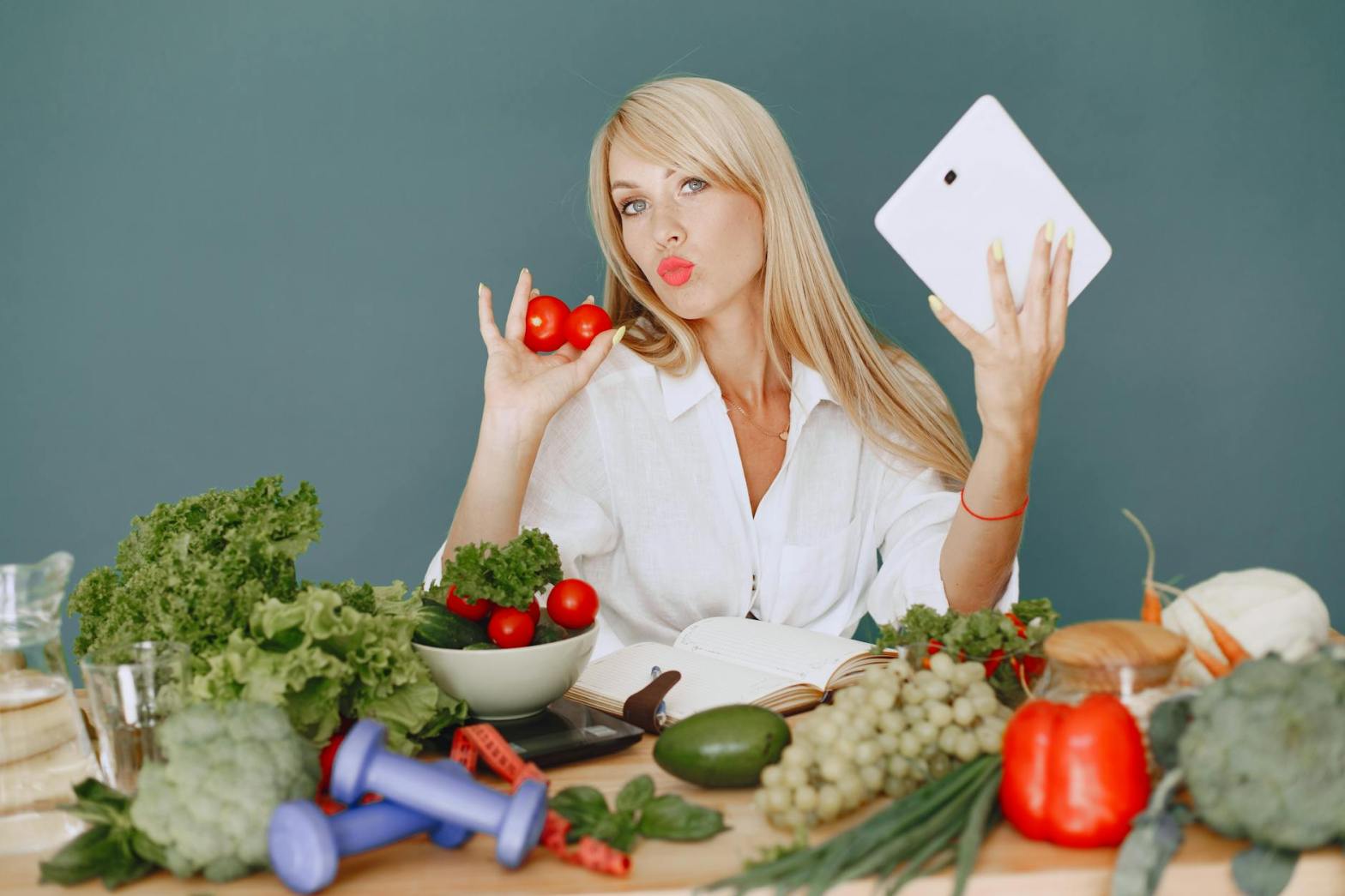
Scroll through Instagram or TikTok, and you’ll see it: flawless influencers with sculpted abs preaching about “clean eating,” sunrise routines, and restrictive diets—all while bathed in golden-hour lighting.
The message is clear: Wellness is an aesthetic. But is it really? Or have we lost sight of what true well-being means
The Rise of “Instagram Wellness”
Wellness is no longer about listening to your body—it’s about following rigid rules set by people whose full-time job is looking good online.
- Perfect routines or burnout waiting to happen? 5 AM wake-ups, cold plunges, green juice fasts—these are sold as the ultimate keys to happiness. But what if your body thrives on 8 hours of sleep and a slow morning?
- “Clean eating” or disguised orthorexia? Demonising foods under the guise of “health” fuels guilt, not nourishment. Since when did eating a cupcake become a moral failing?
- Fitness as a flex, not a function. Exercise is now about getting a “photo-worthy” physique rather than moving in ways that feel joyful and sustainable.
The Pressure to Perform (Even in Self-Care)
Wellness has become another form of social currency. We don’t just meditate—we post about it. We don’t just eat well—we perform it for the camera. The result? A culture where:
- Authenticity is sacrificed for aesthetics. Real health isn’t always pretty—sometimes it’s messy, inconsistent, and deeply personal.
- Comparison kills joy. When wellness is a competition, we stop listening to our own needs and start chasing someone else’s idea of “perfect.”
- Mindfulness has become mindless. We’re so busy documenting our “peaceful” moments that we forget to actually be present in them.
Reclaiming Real Wellness
It’s time to take wellness back from the influencers and algorithms. Here’s how:
- Tune out the noise. Unfollow accounts that make you feel inadequate. True wellness should empower, not shame.
- Focus on feeling, not appearances. Does a habit make you feel energized, calm, and alive? That matters more than how it looks on camera.
- Embrace imperfection. Rest when you’re tired. Eat what satisfies you. Move in ways that feel good—not just ones that look impressive.
- Log off and check in. The most profound wellness practices happen offline, in the quiet moments where no one is watching.
Final Thought: Wellness Isn’t a Trend—It’s a Feeling
The industry may have lost its way, but we don’t have to. Real wellness isn’t about the perfect morning routine or the most restrictive diet—it’s about honoring what your body and mind truly need.
Maybe it’s time to stop chasing the appearance of health… and start living it.
 Empowering Women Through Wellness, Community, and Giving Back
I write about this often. My work in the mental health space forces a lot on authenticity, and nance when it comes to well-being. Most of the mental health content on TicTok is inaccurate. Some reports as high as 80% or higher. You’re right in saying that we need to take back wellness.
LikeLike
sorry, focus not forces
LikeLike